Heel Pain Causes, Symptoms, Treatment, and When to See a Doctor
- Home
- Heel Pain Causes, Symptoms, Treatment, and When to See a Doctor
Heel Pain: Don’t Ignore Your First Steps
Heel pain is one of the most common foot complaints affecting people of all ages. It can make simple activities like getting out of bed, walking to work, climbing stairs, or standing for long periods difficult and painful. Although many people ignore heel pain initially, early diagnosis and treatment can prevent the condition from becoming chronic.
This article explains the common causes of heel pain, symptoms to watch for, available treatment options, and practical ways to prevent it.
What Is Heel Pain?
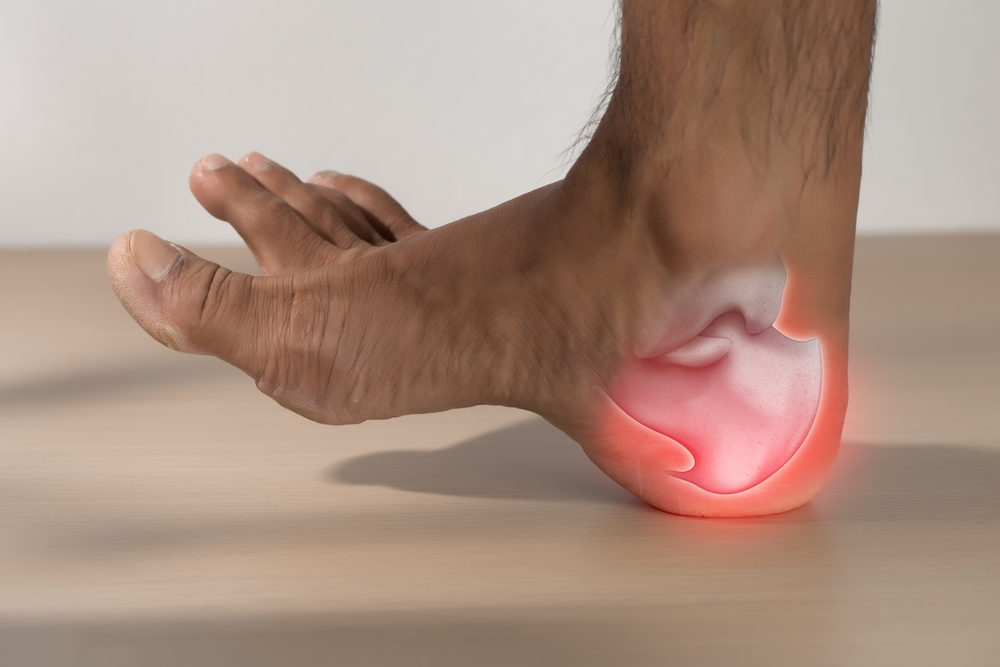
Heel pain refers to discomfort occurring underneath, behind, or around the heel bone (calcaneus). The pain may develop gradually due to repeated stress or appear suddenly after an injury.
Most cases respond well to conservative treatment, but persistent pain should be evaluated by a healthcare professional.
Common Causes of Heel Pain
The most common cause of heel pain is plantar fasciitis. The plantar fascia is a thick band of tissue that supports the arch of the foot. Repeated strain causes small tears and inflammation.
Typical symptoms include:
A heel spur is a calcium deposit that forms on the heel bone. Many heel spurs do not cause symptoms, but they may coexist with plantar fasciitis and contribute to discomfort.
Inflammation of the Achilles tendon causes pain behind the heel. It is common in runners, athletes, and people who suddenly increase their physical activity.
Symptoms include:
The natural fat pad beneath the heel becomes thinner or bruised, leading to pain when walking on hard surfaces.
Repeated impact activities such as running or jumping may cause tiny cracks in the heel bone.
Compression or irritation of nerves around the ankle can produce burning pain, tingling, or numbness in the heel.
Who Is at Higher Risk?
Heel pain is more common in:
Symptoms of Heel Pain
Depending on the cause, symptoms may include:
Warning Signs That Need Medical Attention
Consult a doctor if you experience:
Early diagnosis helps identify the underlying cause and allows timely treatment.
How Is Heel Pain Diagnosed?
Your doctor may perform:
Treatment Options
Treatment depends on the underlying cause.
Rest and Activity Modification
Reducing activities that worsen the pain allows healing.
Ice Therapy
Applying an ice pack for 15–20 minutes several times a day can reduce pain and inflammation.
Stretching Exercises
Regular stretching of the calf muscles and plantar fascia helps relieve symptoms and improve flexibility.
Proper Footwear
Supportive shoes with good arch support and cushioning reduce stress on the heel.
Orthotic Insoles
Custom or prefabricated insoles may help distribute pressure more evenly across the foot.
Medications
Your doctor may prescribe medications to relieve pain and inflammation when appropriate.
Physiotherapy
A supervised rehabilitation program can improve flexibility, strengthen supporting muscles, correct gait abnormalities, and reduce the likelihood of recurrence.
Image-Guided Interventions
In carefully selected patients with persistent heel pain that has not responded to conservative treatment, ultrasound-guided injections or other image-guided pain procedures may be considered. These should only be performed after a thorough clinical evaluation and discussion of potential benefits and risks.
Surgery
Surgery is rarely required and is usually reserved for patients whose symptoms persist despite several months of appropriate non-surgical treatment.
Can Heel Pain Be Prevented?
Yes. Simple preventive measures include:
Frequently Asked Questions (FAQ)
Is heel pain always caused by a heel spur?
No. Plantar fasciitis is a much more common cause of heel pain. Many people have heel spurs without experiencing any symptoms.
Can heel pain go away on its own?
Some mild cases improve with rest and stretching. Persistent or worsening pain should be evaluated by a doctor.
Is walking good for heel pain?
Gentle walking may be acceptable for some people, but excessive walking during painful periods can worsen symptoms. Your doctor or physiotherapist can advise you based on the cause.
How long does heel pain take to improve?
Recovery varies depending on the diagnosis. Many patients improve over weeks to a few months with appropriate treatment and rehabilitation.
When Should You Visit a Pain Specialist?
If heel pain continues despite rest, home exercises, or over-the-counter measures, or if it interferes with your daily activities, seeking medical evaluation is important. A pain specialist can identify the underlying cause, recommend evidence-based treatment, and develop a personalized rehabilitation plan.
Conclusion
Heel pain should never be ignored, especially when it becomes persistent or limits your daily activities. Most causes are treatable with early diagnosis, appropriate rehabilitation, and lifestyle modifications. Seeking timely medical advice can help relieve pain, restore mobility, and prevent long-term complications.
If you are experiencing persistent heel pain, consult a qualified healthcare professional for a comprehensive assessment and individualized treatment plan.